
The Soldier in the Shadow
The Soldier in the Shadow
I've been thinking about what happens when a society forgets to remember. Not the big moments. We're good at those. We build monuments. We hold ceremonies. We post tributes on the right days. I mean the daily act of recognition that tells someone: what you did mattered. What you gave up wasn't wasted. We see you.
The Gap Between Thank You and Understanding
You've probably said "thank you for your service" to a veteran. I have too.
But here's what I've learned: those words land differently when they come from genuine comprehension versus polite ritual. The veteran suicide rate tells us something we don't want to hear. It's not just about trauma from deployment. It's about coming home to a society that doesn't understand what you left behind. When high-ranking military personnel started talking openly about their struggles, something shifted. Vulnerability became legitimate. The definition of strength expanded.
That matters more than we realize.
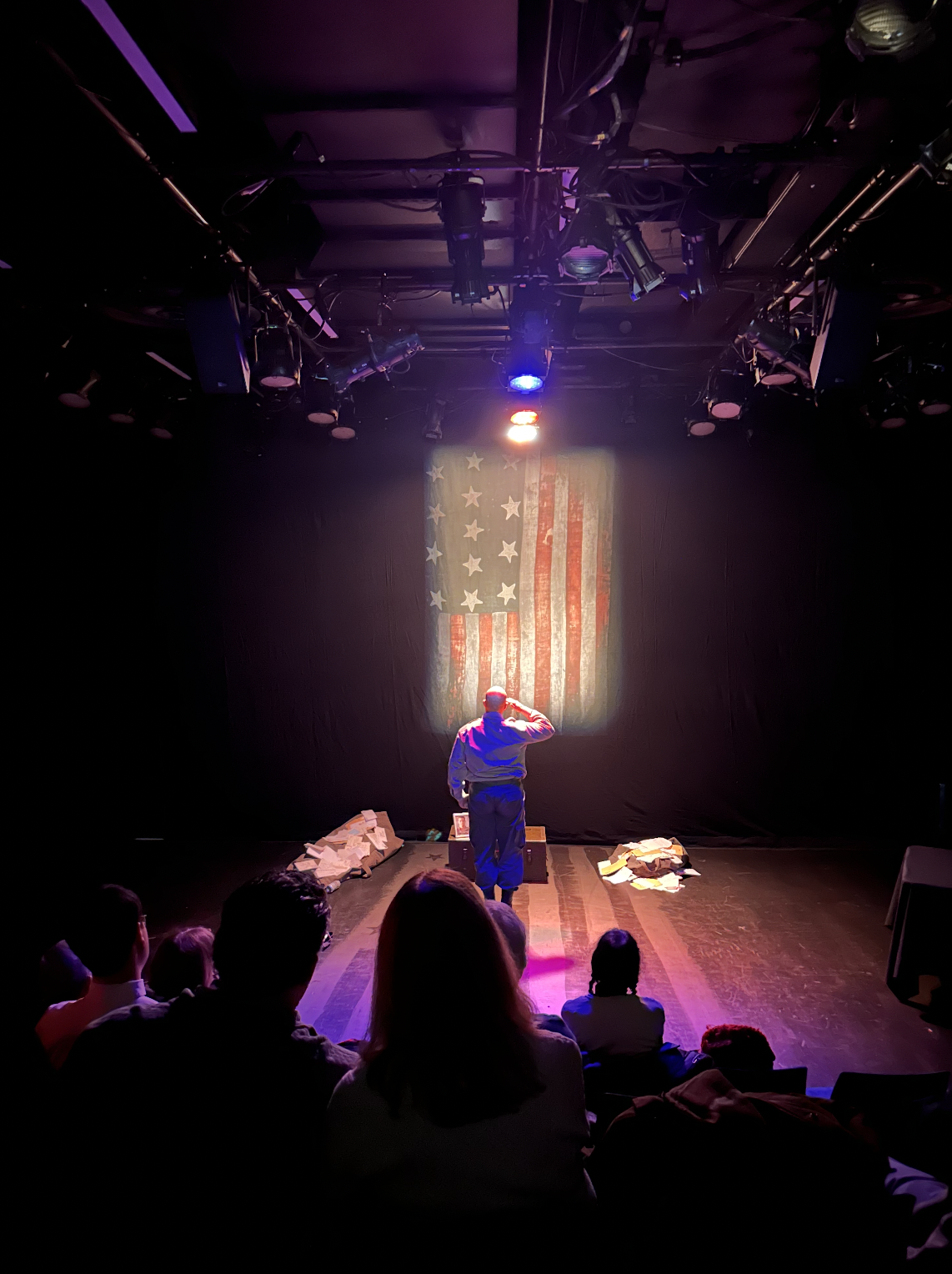
The American Soldier @ Off Broadway 2025
The Ancient Solution We Abandoned
Ancient cultures understood something we've forgotten: warriors need decompression. They created structured processes. Rituals. Time and space to transition from combat to community. We had this too. After World War II, the U.S. military ran programs that helped millions of service members reintegrate successfully. Then we stopped. Not because the programs failed. We just discontinued them. Forgot why they mattered. Lost the institutional memory. Now we're paying for that amnesia.
The Divide We Don't Talk About
Military service in America comes disproportionately from the heartland. From communities where service is part of the culture. Part of the identity. This creates a gap. Not just in who serves, but in who understands what service costs. Urban centers and rural communities increasingly live in different realities. Different worldviews. Different relationships to sacrifice. When the people making decisions about war have no personal connection to it, something breaks in the social contract.
What Recognition Actually Requires
I'm not a veteran. I can't speak from that experience. But I can observe what happens when recognition is real versus performative. Real recognition requires education. Understanding the specifics of what service demands. The choices made. The things given up. Patriotism depends on this education. Without it, civic identity becomes hollow. National security becomes abstract. Theater, storytelling, testimony from veterans themselves—these create the empathy that policy papers never will. They turn the soldier in the shadow into a person you recognize.
The Work Ahead
We need to rebuild what we lost. Not the exact programs, but the understanding that reintegration requires structure. We need to close the gap between those who serve and those who benefit from that service. We need to remember that vulnerability isn't weakness. That asking for help is strength. That recognition means more than words on the right calendar date. The soldier in the shadow is waiting for us to turn on the light.
Not with fanfare. With understanding.
